Historic Tree Care: Preserving the Azalea District Canopy
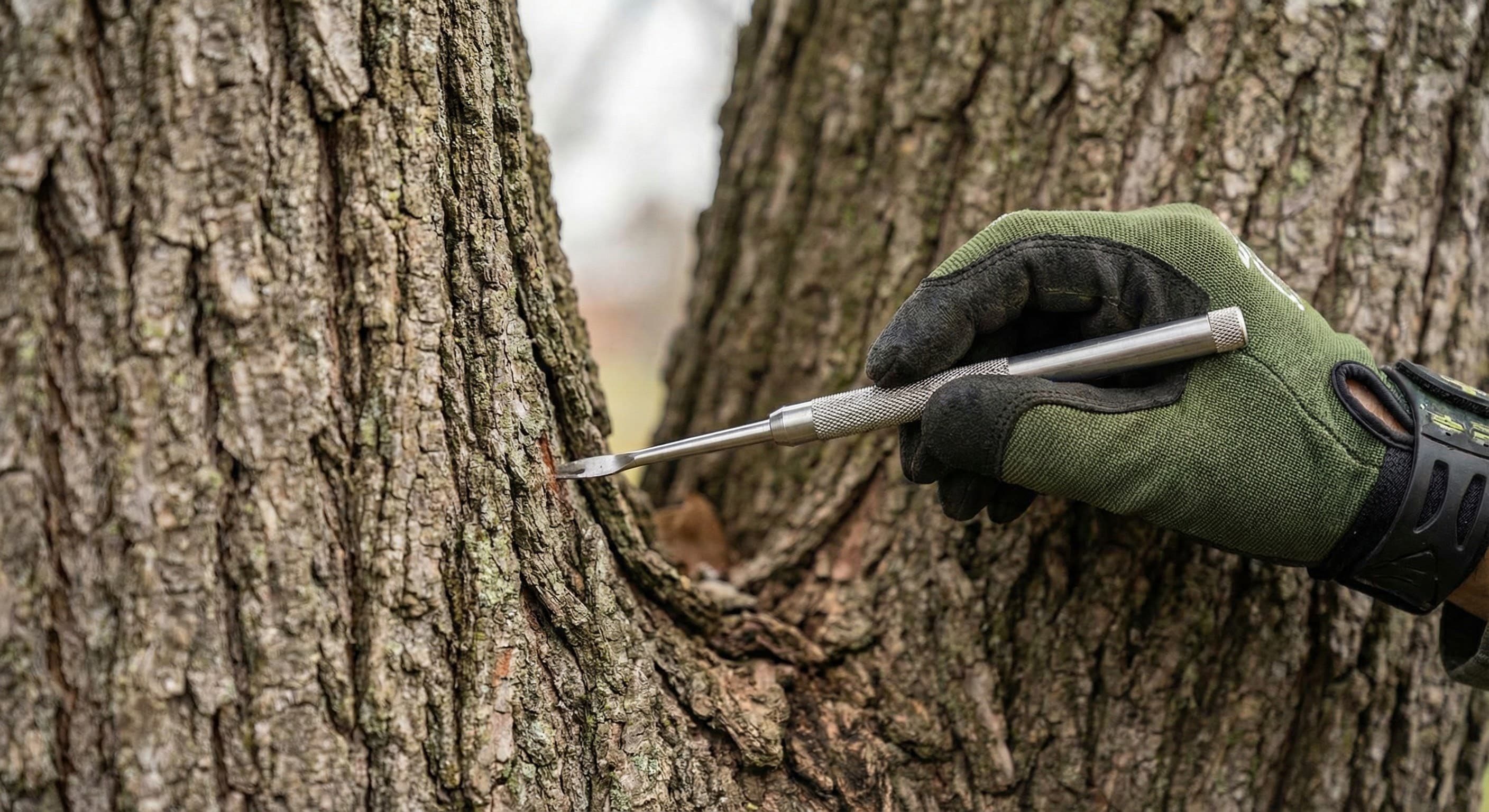
The Azalea District is the jewel of Tyler. The red brick streets, the 1930s architecture, and—most importantly—the massive, centenary trees create an atmosphere you can't find anywhere else in East Texas.
But owning a historic home with 100-year-old Water Oaks and Pecans presents unique challenges. These trees are seniors, and they need geriatric care.
1. The Challenge of "Brick Streets" and Roots
The charm of the brick streets is also a curse for tree roots.
- Soil Compaction: Decades of traffic compress the soil, making it hard for roots to breathe.
- Root Pruning: When the city repairs utilities under the street, they often cut major structural roots.
- Result: We often see massive oaks that look healthy but have compromised root systems.
2. "Retrenchment" Pruning
You cannot prune a 100-year-old tree the same way you prune a 20-year-old one.
- The Goal: We are not trying to stimulate rapid growth. We are trying to reduce weight to prevent failure.
- Technique: We use "Retrenchment Pruning"—gradually reducing the canopy height over several years to mimic the tree's natural aging process. This reduces wind load without shocking the tree.
3. Cabling and Bracing
Many historic trees in Tyler have heavy, horizontal limbs that extend over roofs or sidewalks.
- Don't Cut It: Instead of cutting a massive limb (which leaves a huge wound), we often install Cobra Cables.
- How It Works: A high-strength cable connects the heavy limb to the central trunk. It acts as a safety belt, supporting the limb during high winds.
4. Soil De-Compaction (Air Spading)
This is the best thing you can do for an old tree.
- The Tool: We use an "Air Spade" (compressed air) to blast apart the compacted soil around the roots without damaging the bark.
- The Fix: We backfill with compost and biochar. It’s like giving the tree a breath of fresh air for the first time in 50 years.
5. Navigating the Historic Board
Remember, you usually cannot remove a tree in the Azalea District without approval.
- We can write the Arborist Reports required by the Historic Preservation Board to prove if a tree is truly hazardous and needs removal.
Preserve History. These trees were here before us, and with the right care, they will be here after us.